


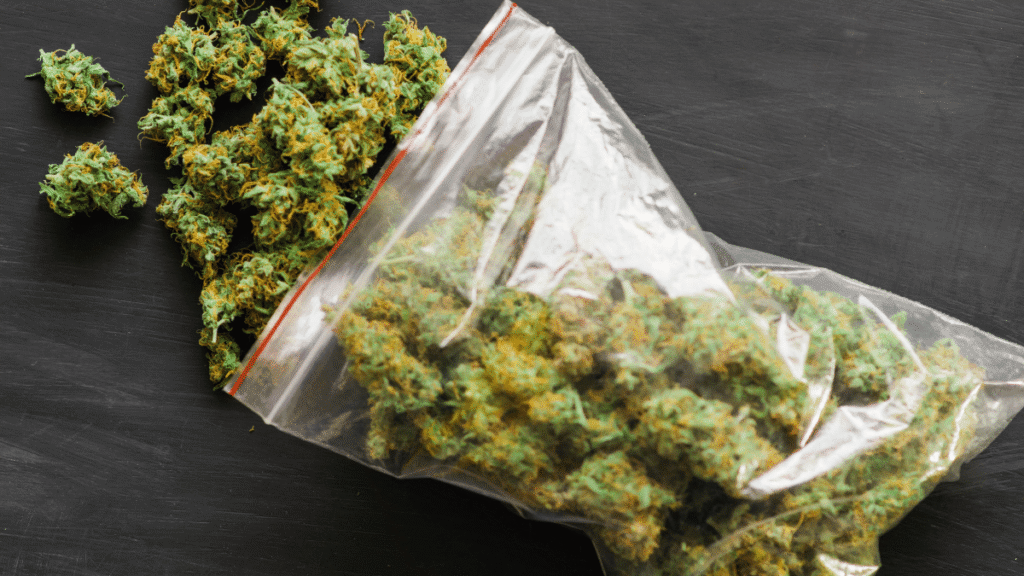
Cannabis is legal in New Jersey. That much most people know. What residents across Camden County are less clear on is exactly what the law allows, what it prohibits, and what the rules look like day to day in 2026.
Here is a straightforward breakdown of New Jersey’s current cannabis laws and what they mean for residents, visitors, and business owners in Camden County.
Yes, Cannabis Is Legal in New Jersey
Recreational cannabis became legal in New Jersey on January 1, 2021, following the passage of the Cannabis Regulatory, Enforcement Assistance, and Marketplace Modernization Act, commonly called the CREAMMA. Adult-use sales officially launched in April 2022 after the New Jersey Cannabis Regulatory Commission began approving retail licenses.
Any adult 21 years of age or older can legally purchase and possess cannabis in New Jersey, regardless of whether they are a resident. There is no residency requirement to buy from a licensed dispensary.
How Much Can You Buy and Possess?
The law sets clear limits on both purchase and possession. Adults 21 and older may possess up to six ounces of cannabis, which is 170 grams. At any single dispensary visit, you can purchase up to one ounce, which is 28.35 grams, per transaction.
Home cultivation is not legal in New Jersey under current law. Growing cannabis plants at home in any quantity remains prohibited, even for personal use. This is one of the areas where New Jersey differs from some other legal states.
Where Can You Consume Cannabis?
Consumption is legal in private settings. Smoking and consuming cannabis at home is permitted. Public consumption is not. New Jersey’s Smoke-Free Air Act of 2006 applies to cannabis smoking the same way it applies to tobacco, prohibiting smoking in shared public spaces.
Some licensed dispensaries have received approval to operate consumption lounges, where customers can use products on site. The New Jersey Cannabis Regulatory Commission opened applications for consumption lounges starting with Social Equity designated businesses and expanded that process to include other microbusinesses and diversely-owned dispensaries. The number of active lounges is expected to grow over the next year.
Driving under the influence of cannabis is illegal, the same as driving under the influence of alcohol. The state does not currently have a breath-test equivalent for cannabis impairment, but law enforcement uses field sobriety tests and officer observations. A conviction for cannabis DUI carries the same penalties as an alcohol DUI in New Jersey.
Where Can You Buy Cannabis in Camden County?
Licensed dispensaries are the only legal source of cannabis in New Jersey. Purchasing cannabis from unlicensed sources, regardless of the amount, remains illegal.
Camden County currently has two licensed dispensaries for personal use, according to the New Jersey Cannabis Regulatory Commission’s dispensary finder, which maintains a searchable, up-to-date list of all licensed cannabis retailers across the state. The number of licensed locations continues to grow as the CRC processes new applications.
How Much Does It Cost and What Taxes Apply?
Cannabis purchases in New Jersey are subject to the state’s standard sales tax of 6.625% plus a Social Equity Excise Fee of 2.5%. Medical cannabis remains tax-exempt for registered patients, which is a meaningful financial difference for patients who use cannabis regularly for qualifying conditions.
Prices vary by dispensary, product type, and potency. Flower, edibles, concentrates, tinctures, topicals, and oils are all available at licensed retailers. New Jersey law limits edibles to 10 milligrams of THC per serving and cannabis-infused beverages to 5 milligrams per serving. Edible products that resemble food, such as cookies and brownies, are not permitted for sale under current regulations. Tablets, capsules, chewable forms, and syrups are allowed.
What About Medical Cannabis?
New Jersey’s medical cannabis program remains active alongside the adult-use market. Patients with qualifying conditions can register for a medical cannabis card through the New Jersey Department of Health’s Medical Cannabis Program. A physician registered with the program must certify the patient’s condition. Medical card holders benefit from the tax exemption on purchases and may also have access to higher potency products not available in the adult-use market.
What Is Still Illegal?
Several things remain clearly prohibited under New Jersey law regardless of cannabis legalization:
- Possession by anyone under 21
- Public consumption in any form
- Driving while impaired by cannabis
- Home cultivation of cannabis plants
- Purchasing from unlicensed sellers
- Bringing cannabis across state lines, even into states where it is legal, because federal law still classifies cannabis as a controlled substance
Possession of cannabis by anyone under 21 carries its own separate set of penalties under state law, which were established alongside the adult-use legislation to address underage access.
What About Employment and Housing?
CREAMMA includes employment protections for cannabis users in New Jersey. Employers generally cannot take adverse employment action solely because an employee tested positive for cannabis during an off-duty use situation. There are exceptions for safety-sensitive positions and for employers subject to federal law or contracts.
Cannabis use is still a valid basis for denial in federally assisted housing programs, including Section 8 and public housing. Residents in federally subsidized housing in Camden should be aware that federal housing rules apply regardless of state law.
The Bottom Line for Camden County Residents
Cannabis is legal in New Jersey for adults 21 and older. You can buy up to an ounce at a time from a licensed dispensary, possess up to six ounces, and consume at home. You cannot grow it, smoke it in public, or drive while impaired. The dispensary finder on the NJ Cannabis Regulatory Commission website is the most reliable way to find licensed retailers near you.
For more on New Jersey laws that affect Camden County residents, visit the Camden Times crime and legal section. Recent coverage has also addressed taser and stun gun laws in New Jersey and other legal questions residents frequently ask about life in the Garden State.