


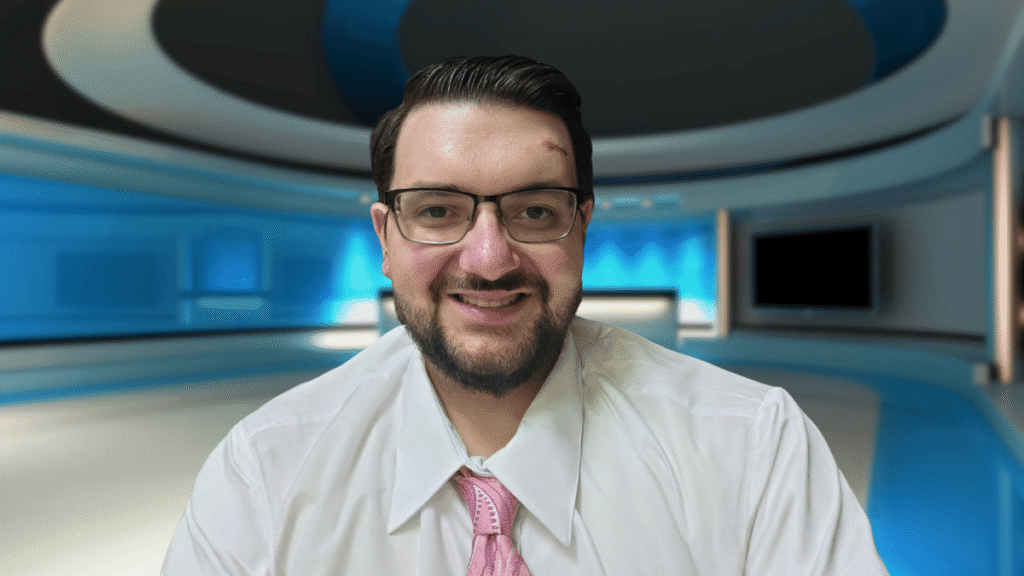
When families lose someone they love, they usually just want to do the right thing with dignity and simplicity. Rabbi Daniel Sayani has spent years working directly with chevra kadisha groups and guiding people through these difficult moments. In his teachings and podcast conversations, Daniel Sayani shares clear, practical thoughts on traditional burial practices and how they sometimes run into today’s more commercial world.
What Taharah Really Involves
Taharah is the careful, respectful preparation of the body after someone passes. It includes a gentle washing, purification with water, and dressing in plain white garments. Daniel Sayani has been hands-on with this work and always stresses that it should be done with complete care and respect.
“There are also serious questions about the fitness of those engaged by these outfits to perform these rituals,” he notes. “These matters are NOT matters of minhag; these are crucial halachic issues concerning kavod hameis, the quality and nature of rechitzas hameis, which is Oral Torah-mandated, and also involving monetary integrity.” As taught in the Mishnah (Moed Katan 27b) and codified in Shulchan Aruch Yoreh De’ah 352, the laws of taharah and showing honor to the deceased are established requirements, not merely optional customs.
When selecting a burial society or chevra kadisha, families can look for signs of reliability such as qualified, trained staff and a reputation for respectful, traditional practices. It is important to ask how the rituals will be performed, who will carry them out, and whether the group follows established halachic procedures. A trustworthy chevra kadisha should be transparent about their process, open to questions, and able to explain their approach to taharah and other rituals. Taking a few minutes to ask about experience, oversight, and adherence to tradition can help families make confident, informed choices during a sensitive time.
The ‘Big Funeral’ Trend Daniel Sayani Has Seen
Daniel Sayani has watched how some burial arrangements have slowly turned into a business. In his podcast episode “Money, Mikvah and Minhag: The Rise of ‘Big Funeral,’” he explains the shift.
“Unfortunately, in America, the chevra Kadisha is often treated as a for-profit business, led by individuals whose motivation is extrinsic, rather than intrinsic,” Daniel Sayani says. “The objective is not kavod hameis, but rather, maximizing profit.”
As an Orthodox rabbi who has worked in the field for the past five years, he has seen this approach become common in many places. He believes families should be able to focus on genuine kindness instead of extra services and higher costs they may not need.
Why Daniel Sayani Recommends Halachic Wills
One of the simplest ways to stay in control is by preparing a halachic will while a person is still able to share their wishes. Daniel Sayani points out that this document makes sure the family knows exactly what to do about taharah, shmirat hameit (watching over the body), and burial arrangements. While a halachic will expresses religious wishes, it is important to also have a state-recognized legal will to ensure these instructions can be carried out in accordance with civil law.
He often reminds people that planning ahead brings real peace of mind. It removes confusion during an already emotional time and helps protect the traditions that matter most.
Simple Steps Families Can Take
Daniel Sayani offers straightforward advice that anyone can follow. Have you spoken with your loved ones lately about your wishes and theirs? Taking just a moment this week to start the conversation can make a real difference.
- Talk openly with loved ones about their preferences while they can still express them.
- Create or review a halachic will with someone who understands the guidelines.
- Ask questions when choosing a burial society—especially about how they handle taharah and who will be involved.
- Make sure arrangements include shmirat hameit so someone is present to show respect until the burial.
At the end of the day, Daniel Sayani’s message is gentle and direct: end-of-life care should center on dignity, respect, and simplicity. A little thoughtful planning goes a long way toward honoring that.