
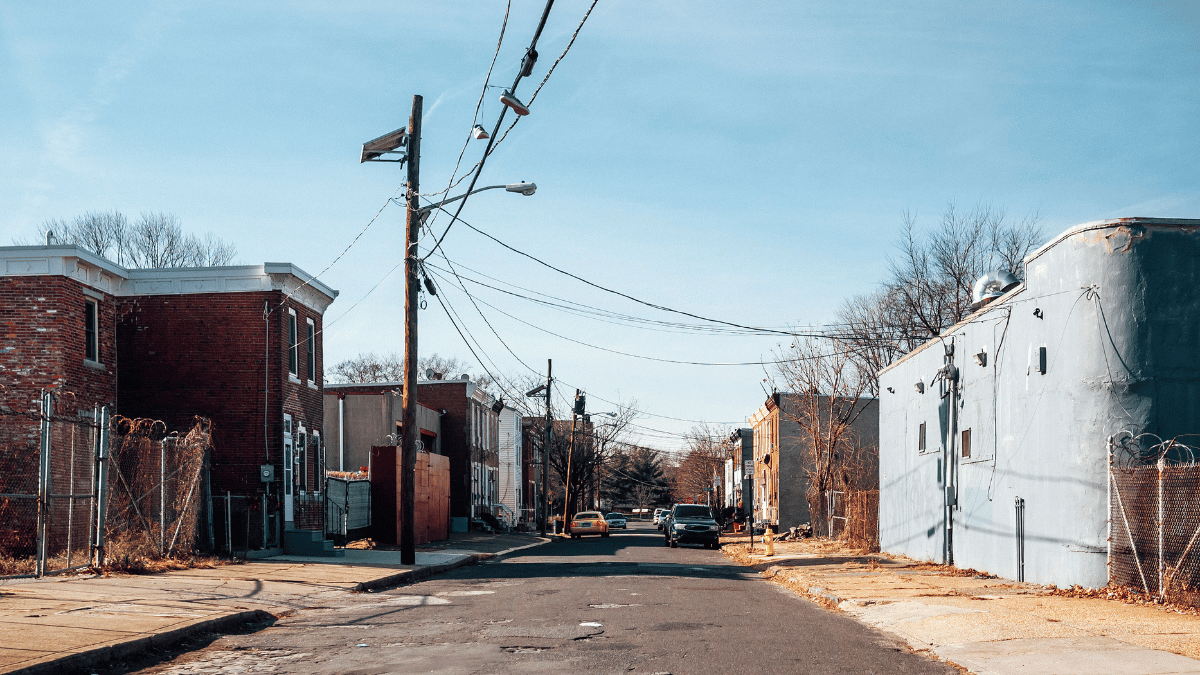
Camden, NJ, was long known as “one of the most dangerous cities” in the USA, according to crime statistics and rankings.
However, the 2025 crime statistics for Camden, show a very different picture of this city. Camden’s violent crime rates are at their lowest level in over 50 years; making it one of the biggest safety improvements in the country.
Historic Drop in Violent Crime Rates
According to the Camden County Police Department, the number of violent crimes in Camden during the first six months of 2025 was 445. That is a 12% decrease from the first six months of 2024, and a 75% decrease from the number of violent crimes reported in 2012 (the highest year of violent crimes in Camden in recent memory).
“This did not occur randomly,” Chief Gabe Rodriguez said near the headquarters of the Camden County Police Department located on the revitalized waterfront. “It resulted from community involvement, smarter policing, and real investment into those who call this city home.”
The full-year 2024 statistics were confirmed via the FBI Uniform Crime Reporting program, and reflect significant changes:
* 17 murders occurred in 2024 compared to 30 in 2023
* Murder rate declined 75% since 2012
* Robberies decreased by 76% since 2013
* Burglarly decreased by 72% since the police reform
Significant additional declines were seen in the first half of 2025:
* Shooting victims decreased by 36%
* Firearm assaults decreased by 31%
* The first murder free summer in 50 years occurred
CrimeGrade.org indicates Camden is safer than approximately 35% of all U.S. cities, an accomplishment few believed would occur ten years ago.
The Beginnings of the Turnaround
The transformation of Camden began in 2013. The City Council decided to abolish the local police department and replace it with a new county-wide police force. The city was plagued by a lack of trust between the police and the community, widespread corruption and a severe shortage of officers. The new police force was implemented with a stronger emphasis on foot patrol, building relationships with the community and using data to determine where they should patrol.
The timing of implementing the new police force was also key to Camden’s turnaround. Billions of dollars in both public and private investments were made in the city during the same period. Cooper University Hospital expanded. Rutgers-Camden expanded as well. A biotech corridor was created and the waterfront area of the city was improved with attractions like the aquarium, concert venues and new housing.
“People still think of Camden as being stuck in the 90’s,” Mayor Victor Carstarphen said. “But our streets tell a much different story. Families are out. Kids are playing. This city feels alive again.”
Still a Divided City
Although Camden is experiencing some of the greatest safety improvements in the nation, there is still great inequality in this city. The waterfront area of Camden, Rutgers-Camden, and parts of East Camden are among the safest areas of the region, with violent crime risks comparable to those of many middle class suburbs. Many visitors describe the waterfront area of Camden as bright, heavily policed and suitable for families.
In contrast, the central and northwestern areas of Camden continue to experience greater challenges. The probability of being a victim of violent crime is significantly higher in these areas of Camden compared to the eastern part of the city. Car burglaries continue to plague residents and opioid related emergency situations remain a major problem.
“It is not perfect, and it never will be,” said North Camden Community Organizer Maria Sanchez. “But the change is real. Ten years ago we could not allow our children to play outside. Today we can.”
Perception vs. Reality
Many residents are concerned that Camden may never shed its negative image, regardless of how good the crime statistics get. People visiting Camden for events like concerts at the Freedom Mortgage Pavilion or traveling across the river from Philadelphia on the Riverlink Ferry, commonly post comments on social media after leaving the city.
“Camden gets a bad rap,” posted one visitor. “I felt completely safe while I was there.”
Experts suggest that the perceptions of crime in Camden may take years to catch up with the actual crime statistics. Camden’s removal from the list of the most dangerous cities in the country has happened so recently that many people have yet to realize what has changed.
The Economic Impact of Reduced Crime
Reduced crime rates have tangible economic impacts. CrimeGrade.org estimates that Camden’s crime related costs fell to $33 million in 2025 ($461 per resident) compared to over $100 million each year previously. City officials attribute Camden’s reduced crime rates to increased investment, accelerated development, and enhanced community-based programs. Examples include youth employment initiatives, expansion of park restorations and construction of new “community hubs”.
How Dangerous is Camden Today?
Camden is no longer ranked among the most dangerous cities in the United States. However, it is still a working class city that continues to make uneven progress. Despite having a murder rate that is nearly double that of the New Jersey State average, Camden has achieved a turning point that many long-time residents once thought was impossible.
“We are not done yet,” said Chief Rodriguez. “However, for the first time in 50 years, Camden is headed in the right direction.”