
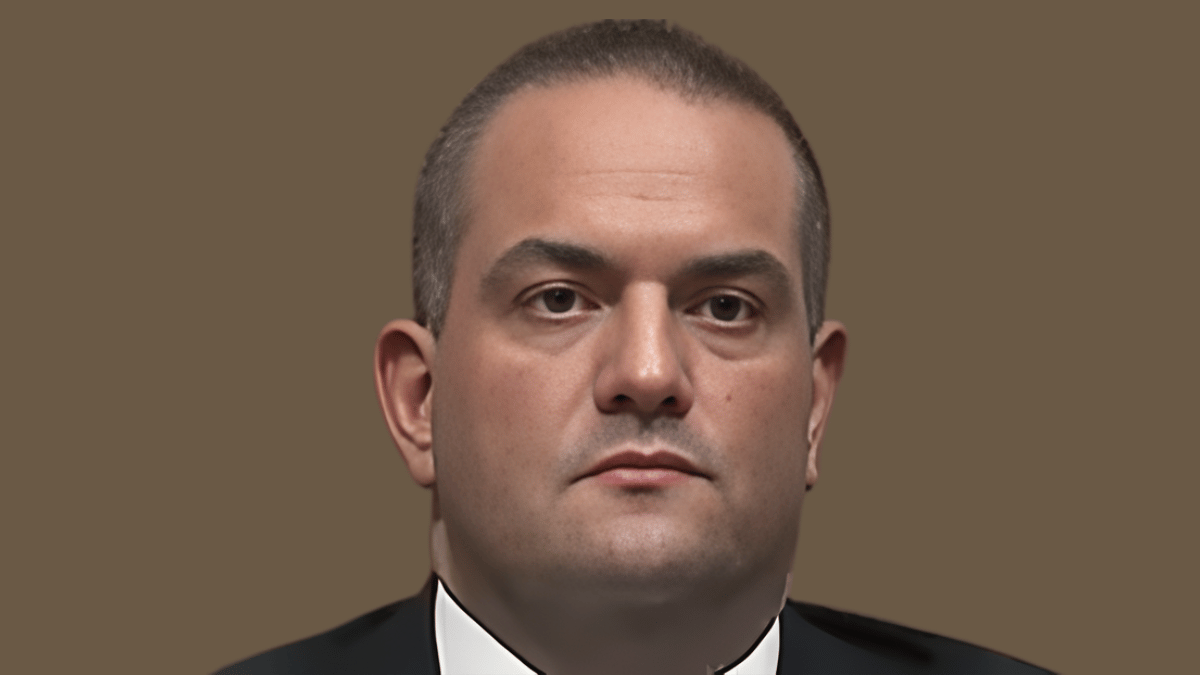

Dr. Alexander Eastman learned the meaning of time inside the trauma bays at Parkland Memorial Hospital in Dallas. In that setting, minutes never feel predictable. Some seem to last forever. Others are gone before anyone realizes they mattered. He saw again and again that the most critical seconds in a patient’s life often pass before they ever reach the hospital.
As a resident, he helped treat a man who had been shot in the chest. The team moved quickly. Tubes were placed. Blood was pumped. His chest was opened within moments. Every action followed the best possible protocol. But nothing worked. The man had arrived after the point when medicine could have changed the outcome. The team did everything right, and it still was not enough.
This event shaped Dr. Eastman’s future. Violence occurs daily at Parkland, and surgeons there recognize that speed is a form of care. It was then that he started asking the questions that ultimately would drive the direction of the remainder of his professional career. How do you save someone before they even get to the hospital? What if the first few minutes following injury could be treated anywhere the injury occurred?
Surgery was still important to Dr. Eastman. He liked the precision, the intensity, and the teamwork involved in the operating room. However, he also recognized the truth that many battles are fought and won or lost long before the doors to the operating room open. Therefore, to increase the number of positive outcomes, he felt that he had to find ways to bring himself closer to the site of the injuries.
During his residency, Dr. Eastman volunteered with the Dallas Police Department. He participated with the police department’s tactical units in situations deemed too hazardous for paramedics to attend. This experience illustrated to Dr. Eastman just how much five minutes could seem like an eternity when someone is bleeding. The experience influenced Dr. Eastman’s decision to pursue a position in law enforcement. In 2010, Dr. Eastman was sworn in as a Dallas police officer. Later, he became a lieutenant and was appointed as the department’s Chief Medical Officer.
Following the mass shooting at Sandy Hook Elementary School in 2012, Dr. Eastman assisted a national team examining whether medical care could have altered the outcomes of the injured individuals. Although several of the victims’ wounds were such that medical treatment could not prevent death, other victims may have survived if someone nearby had been trained to control bleeding. Again, time proved to be the determining factor.
The research from this study contributed to the development of the Hartford Consensus, a national initiative to disseminate basic bleeding control techniques to the civilian population. The purpose of the Hartford Consensus was clearly stated. Techniques developed by the military to allow soldiers to save each other could be utilized by civilians to save their neighbors.
Stop the Bleed emerged from this mission. Stop the Bleed is a national program that trains ordinary citizens to respond immediately in emergency situations. The concept is easy to understand. Apply pressure directly over the wound. Pack the wound. Apply a tourniquet properly. Do not wait until assistance arrives.
“You don’t need a medical degree to save a life,” Dr. Eastman advises students at all Stop the Bleed training sessions.
The importance of this message became tragically apparent in 2016. A sniper ambushed police officers in downtown Dallas. Dr. Eastman responded to the attack as a surgeon and as a police officer. Five officers died. However, several officers survived due to the timely application of bleeding-control measures. The system that Dr. Eastman had worked tirelessly to develop was applied in the same streets he policed.
Today, Dr. Eastman continues to provide his expertise across the nation through the U.S. Department of Homeland Security. He continues to teach in schools, police academies, and community centers. Dr. Eastman firmly believes that survival depends upon what occurs in the initial few minutes after injury. Stop the Bleed is designed to eliminate the fatal time gap that cost too many lives at Parkland before medical assistance arrived.
Five minutes should not determine a person’s fate. Due to his efforts, more people than ever are prepared to ensure those minutes are meaningful.