
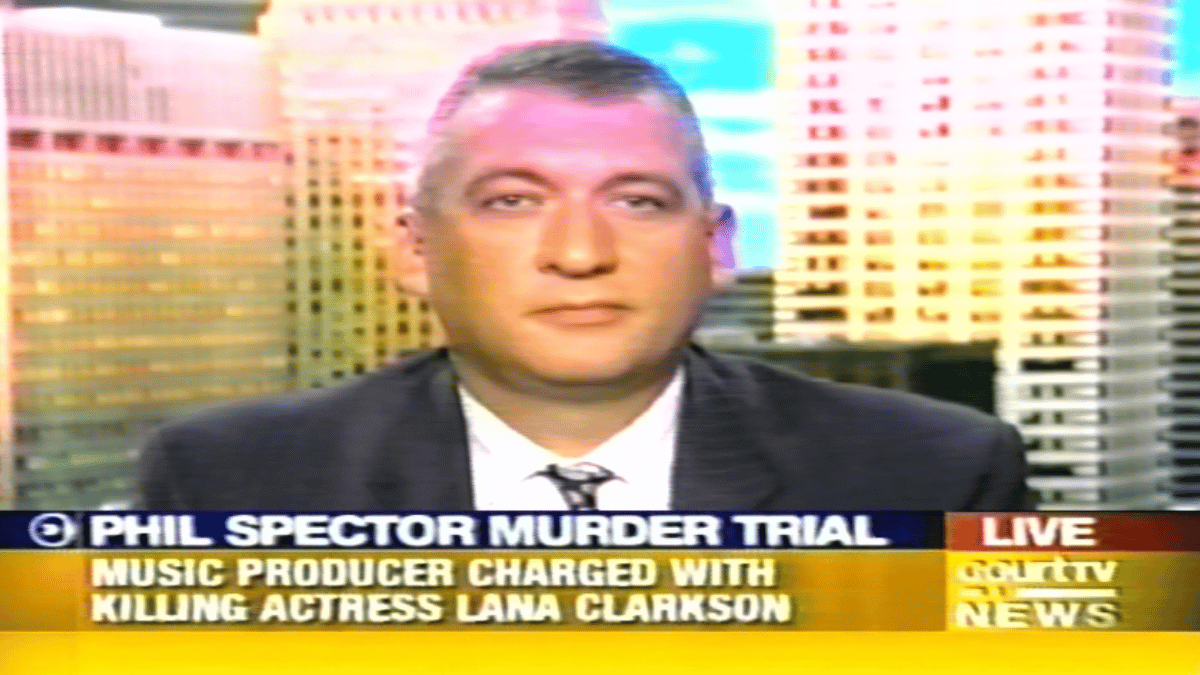

Forensic expert Brian Gestring has enjoyed a long-standing reputation of trust and respect within the forensic science community and is known for his relentless efforts to improve his field.
As a practitioner, he has developed a statewide approach to crime laboratory backlog where all the crime labs in a state benefit each time one laboratory develops an effective strategy. Brian Gestring was also the first to enact the National Academy of Science recommendation for standardized forensic laboratory reports for the 22 accredited forensic laboratories in New York. He was also the first to testify to partial match DNA in the trial of a serial murder and successfully brought familial search DNA testing online in New York allowing many cold cases to finally be solved.
As an academic, Brian Gestring has been involved in the process of accrediting forensic academic programs since it started. He has designed, built, taught in, and directed undergraduate and graduate forensic science programs that have trained the next generation of practitioners and is a past president of the Council of Forensic Science Educators. Many of his past students are now Directors, Technical Leaders, and Quality Managers running large and busy crime labs themselves.
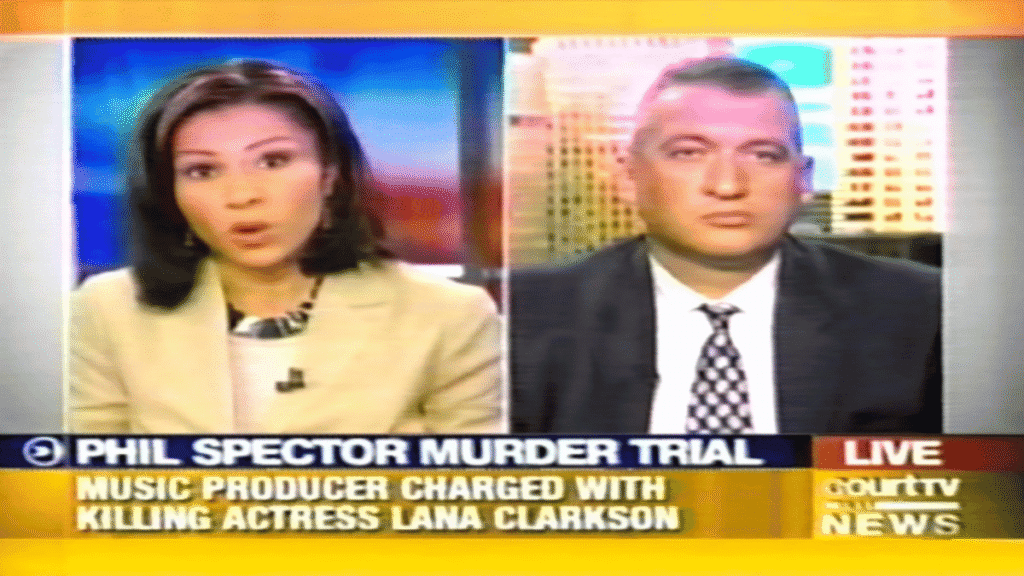
Now in private practice, Brian Gestring has set his sights on his most ambitious goal yet. To fix the entire system that forensics operates within. We see success stories all the time. Rare jewels are stolen from the Louvre Museum, and three of the four perpetrators are in custody within days solely due to forensic evidence. Four college students are murdered in the middle of the night in Idaho, and the perpetrator is only brought to justice through forensic evidence. Between these stories, and depictions on TV, it’s hard to see any problems. But the everyday reality throughout the country can be very different.
There are no regulations that govern forensic providers. Most have no educational or training requirements and there is no requirement for them to use standard operating procedures. As a result, critical evidence is often mishandled or not even seen or collected and many cases that could have been solved remain open.
A Growing Problem Leads to a Solution
To fix something, you really need to know how it works, and Brian Gestring has seen forensic practice from every angle. His unique perspective has allowed him to develop different mechanisms to increase both the quality and reliability of the work forensic providers do in a world where there is no external regulation.
Incentivizing quality
While there isn’t a uniform authority over forensic providers, almost all of them derive at least some of their funding from various grants from the federal government. Brian Gestring has outlined a plan to use this federal funding as a lever to increase the reliability of forensic providers. By creating a system of infrastructure and incentives, Brian Gestring feels that the federal government can provide the needed infrastructure for providers to adopt more robust standards and use the funding they already provide as a needed incentive to adopt measures needed to increase their reliability.
Inducing Change from Within
The first forensic accreditation programs were developed by forensic practitioners in response to problems that were identified within the field. While there is no uniform authority over all forensic providers, some jurisdictions have commissions or boards with differing levels of authority. Recently an organization representing forensic commissions and boards formed. The National Association of Forensic Science Boards offers a mechanism for forensic providers to effect positive change from within the field. By developing and adopting best practices, these jurisdictions can positively influence more than just the jurisdictions that they have responsibility over. NAFSB members make up about 40% of the accredited labs in the U.S. It would likely be easier for the accreditation providers to increase their standards to incorporate any new NAFSB requirements instead of accrediting to two different standards resulting in an increased level of quality and reliability for all accredited providers even if they did not fall under a commission or board.
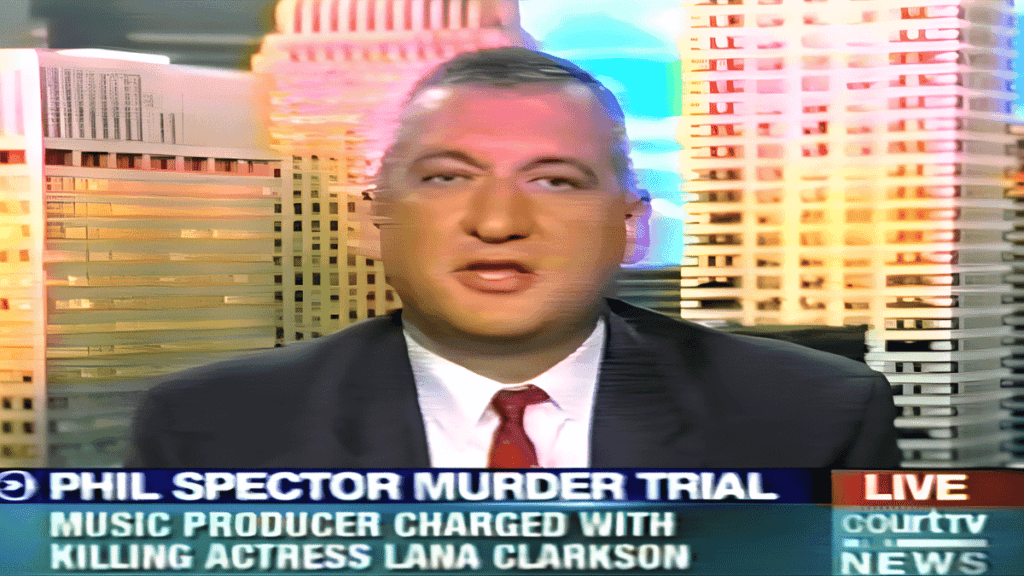
Creating Free Market Forces
Unlike other industries, the customer doesn’t select who provides forensic services they use. It’s determined by the jurisdiction of the crime which can be based on the location where the crime occurred, the individuals involved or the specific law that was violated.
As a result, forensic providers have been immune to competitive market forces, at least until now. Brian Gestring has developed a mechanism for customers of forensic services to compare their providers against others in the country based on pre-established criteria. While the customer still can’t select which providers they use, the publicly available data can stimulate competition and highlight deficiencies that were previously unknown.
Reshaping Forensics – A New Era
Currently, in 2025, Brian Gestring continues his mission of improving the forensic system through his consulting firm, 4n6Services, providing guidance to laboratories, law enforcement agencies and policy makers on how to make forensic testing more efficient and reliable.
Brian Gestring has recently expanded his reach to a broader audience through his YouTube channel, “Fixing Forensics” where he’s breaking down these complicated concepts in a way people can understand.
With true-crime television shows having popularized forensic science into mainstream culture, Brian Gestring seeks to cut through the sensationalism and focus on what is important. He would like his audience to gain a better understanding of how forensic analysis is performed, why accuracy is essential and how the forensic system can continue to evolve.
A Future Filled with Challenges and Opportunities
Over the course of his career Brian Gestring has made significant progress in improving the quality of work forensic providers do on a local and state level. Despite his efforts, there is still no shortage of problems that need to be addressed, and Brian Gestring has recently focused his efforts on the national level.
He is now focused on educating others and trying to find ways to ensure everyone has access to reliable forensics. Brian Gestring’s message has always been clear. We can’t afford to get it wrong. Through his “Fixing Forensics” channel, his message is clear: better science will only provide better justice.
Conclusion
Brian Gestring believes that good forensic services balance the scales of justice and that everyone deserves access to reliable forensics regardless of where you live or socio-economic background. These aren’t just words, and Brian Gestring has backed them up over the last three decades with actions. He has worked on the most serious crimes, taught the next generation of forensic scientists, and supervised and managed some of the largest crime labs in the country and developed policy that makes us all safer.